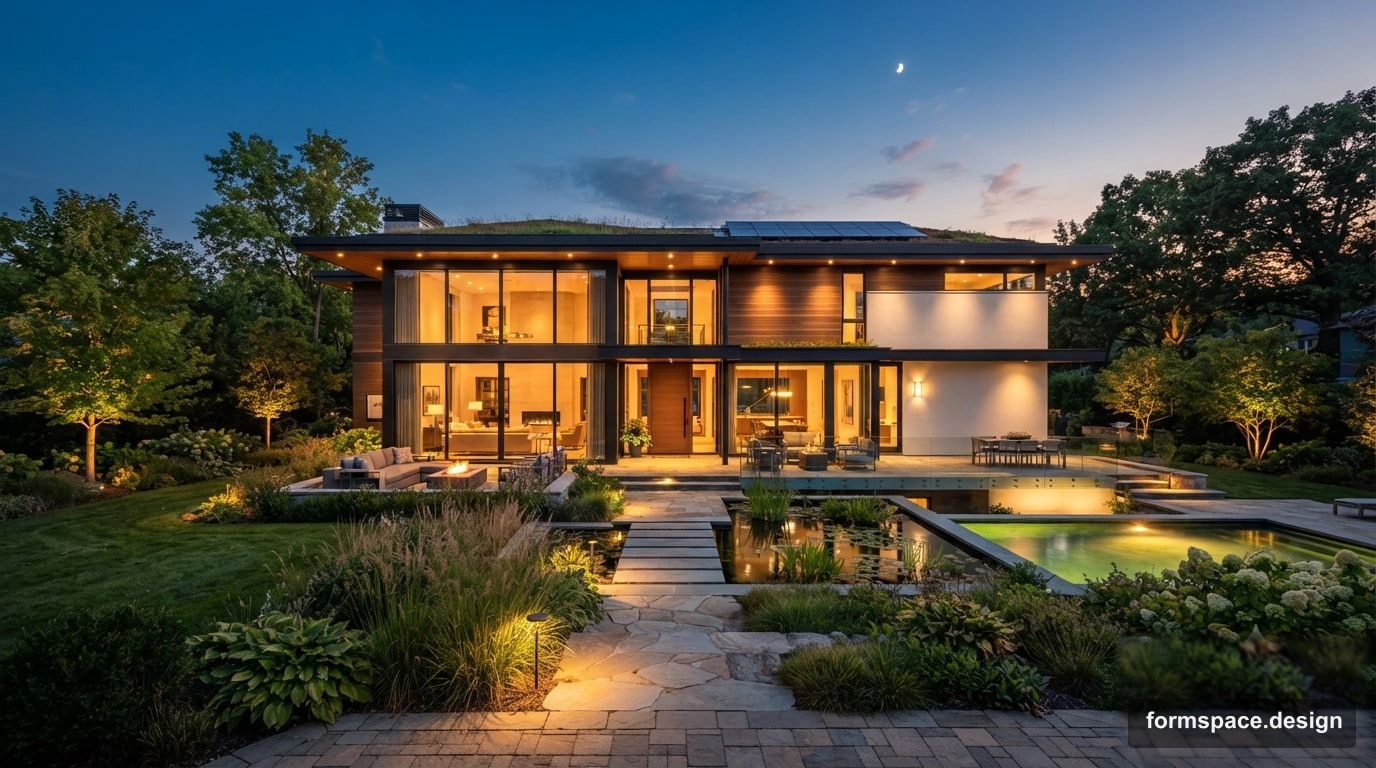
10 Schlüsselfragen vor der Gestaltung Ihres Grundstücks
Bevor Sie mit der Gestaltung Ihres Grundstücks beginnen, ist es wichtig, sich Fragen zu Zielen, Budget und Besonderheiten des Geländes zu stellen. Dies hilft, Fehler zu vermeiden und einen komfortablen Raum zu schaffen.
Bevor Sie mit der Gestaltung Ihres Grundstücks beginnen, sei es ein kompaktes 6-Ar-Grundstück oder ein großzügiges 20+-Ar-Grundstück, ist es wichtig, alle Details sorgfältig zu durchdenken. Indem Sie die Schlüsselfragen beantworten, können Sie kostspielige Fehler vermeiden, Zeit sparen und letztendlich einen funktionalen, schönen und komfortablen Raum erhalten, der Sie viele Jahre lang erfreuen wird. Dieser Ansatz hilft, Ideen zu systematisieren und Träume in einen realistischen Plan zu verwandeln.
Definieren Sie Ihre Bedürfnisse und Träume
Der erste Schritt zum idealen Grundstück ist zu verstehen, wie Sie es sehen und wofür Sie es benötigen. Stellen Sie sich folgende Fragen:
- Was ist der Hauptzweck des Grundstücks? Möchten Sie es in einen gemütlichen Garten zum Entspannen, einen vollwertigen Gemüsegarten, einen Spielbereich für Kinder, einen Ort für Grillabende und Treffen mit Freunden oder eine Kombination aus all dem verwandeln? Ein klares Verständnis der Prioritäten hilft bei der Zonierung. Zum Beispiel können für ein Grundstück von 10-12 Ar 3-4 Hauptfunktionsbereiche ohne Überladenheit zugewiesen werden.
- Welcher Landschaftsstil liegt Ihnen am nächsten? Bevorzugen Sie die strenge Geometrie eines formalen Gartens, die Natürlichkeit eines naturnahen Stils, Minimalismus oder etwas anderes? Suchen Sie nach inspirierenden Beispielen, speichern Sie Fotos, die Ihnen gefallen. Dies hilft, ein einheitliches Konzept zu entwickeln und passende Designelemente auszuwählen.
- Wer wird das Grundstück nutzen? Wenn Kinder oder ältere Menschen in der Familie sind, beeinflusst dies die Wahl der Beläge, das Vorhandensein von Rampen und die Sicherheit von Spielbereichen. Das Vorhandensein von Haustieren erfordert ebenfalls die Berücksichtigung ihrer Bedürfnisse, z. B. eingezäunte Bereiche oder trittfeste Pflanzen.
Bewerten Sie die Besonderheiten des Grundstücks
Jedes Grundstück ist einzigartig, und seine natürlichen Gegebenheiten spielen eine Schlüsselrolle bei der Planung. Die Missachtung dieser Faktoren kann zu ernsthaften Problemen führen.
- Wie ist das Relief Ihres Grundstücks? Ist es eben, hat es eine Neigung oder gibt es erhebliche Höhenunterschiede? Eine Neigung kann ein Vorteil für die Schaffung von Terrassen oder Bächen sein, erfordert aber ein durchdachtes Drainagesystem, um Überschwemmungen in tiefer gelegenen Bereichen des Grundstücks und die Unterspülung von Fundamenten zu vermeiden. Ein typischer Fehler ist die Nichtberücksichtigung des Wasserabflusses, was zu Staunässe in Senken führt, insbesondere auf lehmigen Böden.
- Welche Bodenart hat das Grundstück? Sandig, lehmig-sandig, lehmig? Davon hängt die Wahl der Pflanzen, die Notwendigkeit der Bodenverbesserung und die Anlage der Drainage ab. Auf schweren Lehmböden ohne entsprechende Drainage staut sich beispielsweise Wasser, was für die meisten Pflanzen schädlich ist.
- Wie verlaufen die Versorgungsleitungen? Wo befinden sich die Anschlusspunkte für Wasser, Strom, Abwasser? Dies ist wichtig für die Platzierung von Bewässerungssystemen, Beleuchtung, einer Sommerküche oder einem Pool. Vergessen Sie nicht die Lage der Klärgrube oder des Brunnens – diese erfordern bestimmte Sanitärzonen und Einschränkungen.
- Wie ist die Beleuchtung des Grundstücks und die Windrose? Beobachten Sie, wie sich die Sonne zu verschiedenen Tages- und Jahreszeiten über das Grundstück bewegt. Obstbäume und Gemüsegärten benötigen viel Sonne, Ruhezonen Schatten. Windschutz ist wichtig für einen angenehmen Aufenthalt und zum Schutz bestimmter Pflanzen. Tools wie der formspace-Planer können helfen, die Zonierung und Anordnung von Elementen unter Berücksichtigung dieser Faktoren zu visualisieren.
Budget- und Zeitplanung
Die Gestaltung ist eine Investition, und man sollte sie mit realistischen Erwartungen angehen.
- Wie hoch ist Ihr Budget? Legen Sie den Gesamtbetrag fest, den Sie ausgeben möchten. Teilen Sie ihn in Hauptkategorien ein: Erdarbeiten, Materialien, Pflanzen, Arbeitskosten für Spezialisten. Denken Sie daran, dass große Gestaltungsprojekte, die Erdarbeiten, Pflasterung und die Pflanzung großer Bäume umfassen, allein in der Umsetzungsphase mehrere Wochen bis Monate dauern können, abgesehen von der Planungszeit. Die Planungsphase selbst, insbesondere für ein 15-Ar-Grundstück, kann 2-4 Wochen in Anspruch nehmen.
- In welchem Zeitrahmen möchten Sie die Arbeiten abschließen? Einige Arbeiten (z. B. Pflanzen) sind saisonabhängig. Eine schrittweise Gestaltung kann für größere Grundstücke oder ein begrenztes Budget realistischer sein.
Pflanzen- und Materialauswahl
Die richtige Wahl schafft eine harmonische und langlebige Umgebung.
- Welche Pflanzen eignen sich für Ihr Klima und Ihren Boden? Informieren Sie sich über das Sortiment an Pflanzen, die an die lokalen Bedingungen angepasst sind. Berücksichtigen Sie ihre ausgewachsene Größe, Licht- und Feuchtigkeitsanforderungen. Vergessen Sie nicht die Kompatibilität der Pflanzen untereinander.
- Welche Materialien sollen für Wege, Terrassen, Zäune verwendet werden? Wählen Sie Materialien, die mit dem Stil des Hauses und der Landschaft harmonieren und Ihrem Budget sowie Ihren Pflegeanforderungen entsprechen. Berücksichtigen Sie Langlebigkeit und Sicherheit (z. B. rutschfeste Beläge).
Pflege und Perspektive
Die abschließenden Fragen betreffen die Zukunft Ihres Grundstücks.
- Wie viel Zeit sind Sie bereit, für die Pflege des Grundstücks aufzuwenden? Wenn Sie wenig Zeit haben, wählen Sie pflegeleichte Pflanzen, Rasenflächen, die nur minimales Mähen erfordern, und automatische Bewässerungssysteme. Wenn Sie Gartenarbeit lieben, können Sie sich komplexere Kompositionen und einen Gemüsegarten leisten.
- Gibt es Pläne für die Zukunft? Vielleicht planen Sie, einen Pavillon anzubauen, eine Sauna zu bauen oder den Gemüsegarten zu erweitern. Lassen Sie im Voraus Platz für zukünftige Änderungen, um bereits Geschaffenes nicht umgestalten zu müssen.
Häufig gestellte Fragen
Kann man mit der Gestaltung ohne professionellen Plan beginnen?
Ja, für kleine Grundstücke oder einfache Aufgaben kann man auf einen detaillierten Plan verzichten. Für eine umfassende Gestaltung eines mittleren oder großen Grundstücks (ab 10 Ar) hilft ein professioneller Plan jedoch, Fehler zu vermeiden, das Budget zu optimieren und das beste Ergebnis zu erzielen.
Womit soll man beginnen, wenn das Budget begrenzt ist?
Beginnen Sie mit den funktionalen Zonen der ersten Notwendigkeit und den Erdarbeiten (Drainage, Nivellierung). Gehen Sie dann zu Pflasterungen und grundlegenden Bepflanzungen über. Der Rest kann schrittweise hinzugefügt werden, sobald die Mittel verfügbar sind.
Wie wählt man die richtigen Pflanzen für mein Grundstück aus?
Informieren Sie sich über das lokale Klima (Winterhärtezone), die Bodenart, den Beleuchtungsgrad und die Feuchtigkeitsanforderungen. Wählen Sie Pflanzen, die gut an diese Bedingungen angepasst sind. Achten Sie auf ihre ausgewachsenen Größen, um eine Überladung zu vermeiden.
Was ist Grundstückszonierung und wozu dient sie?
Zonierung ist die Aufteilung eines Grundstücks in funktionale Bereiche (Erholung, Gemüsegarten, Spielplatz, Wirtschaftsbereich). Sie hilft, den Raum effizient zu nutzen, sorgt für Komfort und Harmonie und verbessert die Navigation auf dem Grundstück.
Wie lange dauert die Landschaftsplanung?
Die Planungszeit hängt stark von der Komplexität und Größe des Grundstücks ab. Für ein kleines Grundstück mit einfachen Aufgaben kann dies einige Tage dauern, für ein großes, komplexes Projekt – mehrere Wochen oder sogar Monate. Zum Beispiel kann die Konzeptentwicklung für ein 20-Ar-Grundstück mit Höhenunterschieden bis zu einem Monat dauern.
Muss man bei der Planung die Nachbarn berücksichtigen?
Unbedingt. Berücksichtigen Sie die Lage benachbarter Gebäude, Bäume (ihren Schatten) sowie die Abstandsregeln für Gebäude und Bepflanzungen zu den Grundstücksgrenzen. Dies hilft, Konflikte zu vermeiden und die Gesetzgebung einzuhalten.
Fazit
Die Antworten auf diese 10 Fragen bilden eine solide Grundlage für die erfolgreiche Gestaltung Ihres Grundstücks. Nehmen Sie sich Zeit, überdenken Sie jeden Schritt sorgfältig, und Ihr Garten wird ein wahres Spiegelbild Ihrer Wünsche und Bedürfnisse sein. Wenn Sie Ihre Ideen visualisieren möchten, können Landschaftsplanungstools wie formspace.design Ihnen helfen, ein Konzept zu erstellen und das zukünftige Ergebnis bereits vor Beginn der Arbeiten zu sehen.
Veröffentlicht:

Volodymyr Vybornyi
Landschaftsdesigner, Gründer von https://formspace.design/
Schreibt über Landschaftsdesign, Business und moderne computergestützte Planungswerkzeuge für Landschaften – einschließlich KI.